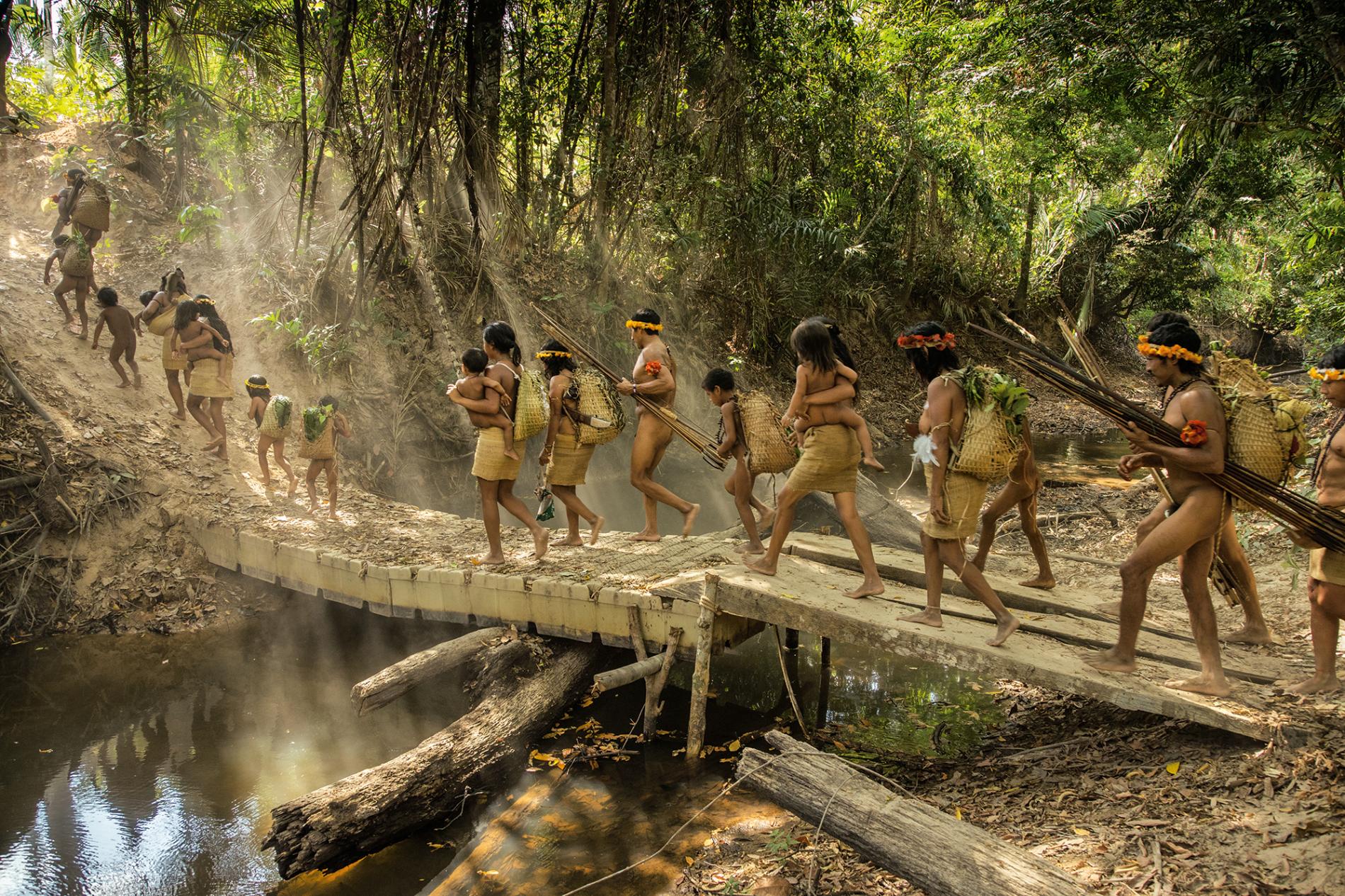
In addition to the natural wealth that is part of northern Brazil, the culture and lifestyle of indigenous social organizations, usually arouse the curiosity of those who want to get to know the famous Amazon rainforest. However, what few people know is that there are Indians who chose to remain totally excluded from other tribes, resisting any form or means of communication with each other.
Denominated as the isolated Indians or the resistant Indians for the Brazilian State and for the organs for the protection of indigenous rights existing in Brazil, these tribes were thus identified because they never maintained contact with the urbanized man or Indian, but that can be seen or recognized by other tribes and neighboring peoples.
The data are not yet complete, so much so that it is not known for sure how many there are, who they are and what type of language is used to establish a communication. But it is estimated that they live in large numbers and in a nomadic way, always fleeing from the loggers and prospectors who insist on invading their lands, consequently generating this strong antagonism against any type or attempted approach.
The lifestyle of isolated people
The lifestyle of isolated indigenous peoples in the Amazon is similar to the lifestyle of the time when Brazil was still a colony. In other words, these tribes keep their social organization totally focused on the needs of the collective, where hunting, fishing, agriculture and plant extraction is what supplies what is missing at that moment.
FUNAI researchers identified that the people of these isolated tribes walk around naked and speak languages that are not part of the more than 274 indigenous languages already recognized to date. However, as all the information is very fragmented, it is not clear how the collective coexistence between them happens and what are the customs that still prevailed between the generations.
Currently, the Amazon region has a total of 20 Indigenous Lands inhabited by these isolated peoples and, according to the records, of the 86 documented lands, 17 are located in regions with high rates of deforestation outside the lands inhabited by these natives.
An article published in BBC Brazil, found that the number of registered isolated peoples is growing in South America and that most of them are located in the Amazon. Therefore, it can be inferred that such growth is attributed to the use restrictions implemented by FUNAI, which prohibits any type of economic activity in territories that have not yet been demarcated as indigenous.
The identification of isolated tribes in the Amazon
As the isolation of these tribes in the Amazon is an option of the indigenous people who live on the site, there is a complete preparation for the identification of these isolated natives.
The technique used to identify isolated tribes in the Amazon is primarily done through documentation, where in most cases they are based on reports from other indigenous tribes that maintain contact with large urban centers. Thus, after the reports, it is easier to carry out expeditions, overflights and even include satellite technology to map the area and identify them more efficiently.
In general, the steps for the identification and mapping of isolated tribes in the Amazon comprise mainly:
- Documentation through indigenous reports and observations by FUNAI and Army agents;
- Carrying out duly monitored shipments;
- Overflight of the area for the demarcation of the place;
- Satellite identification for public recognition of preservation of the area and external economic blockade.
It is worth remembering that the location expeditions are made by the Ethno-Environmental Protection Fronts to definitively protect and preserve these territories. In other words, as soon as these peoples are located and identified, they get protection even without any kind of contact with the external environment of the tribe.
The difficulties that isolated peoples in the Amazon must face
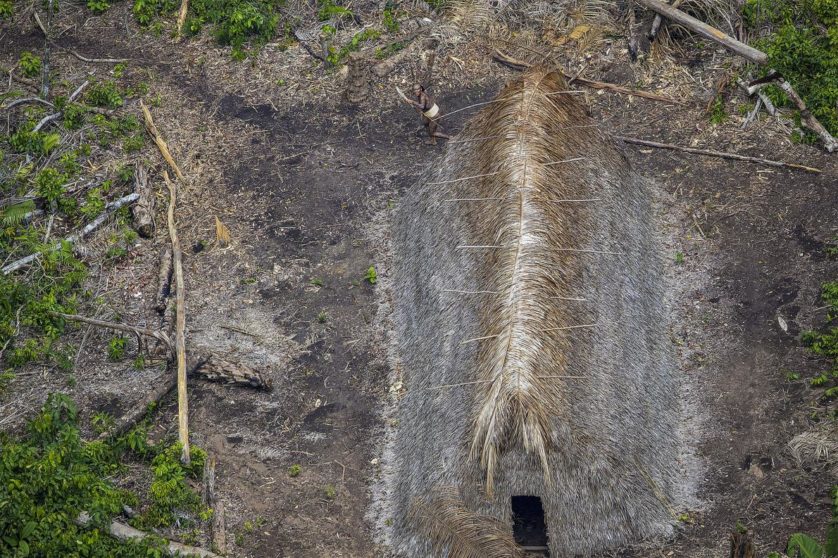
It is believed that the constant resistance of some isolated tribes is justified by the traumatic experiences lived previously and, in some cases, at the present time.
Situations of extreme vulnerability and external threats are the main factors for these natives to choose to migrate to other places when local resources are scarce, without giving them the opportunity to settle somewhere and develop agricultural activities in the region. Among these situations, the socio-epidemiological threats that reduce the life expectancy of these civilizations stand out, when they have involuntary contact with toxic substances resulting from the trafficking of natural resources and the territorial threats that are characterized by violent clashes between the Indians isolated with those who insist on illegally exploring the region.
In general, these peoples, in addition to the limitations of everyday life, also need to deal with issues:
- Territorial;
- Politics;
- Demographic;
- Socio-epidemiological.
Public policies for the protection of isolated tribes in the Amazon
In order to respect the desire to avoid any kind of contact, the Isolated Indigenous Coordination (CII) was created at Funai and later renamed the General Coordination of Isolated Indians and Recent Contact (CGIIRC) which has a fundamental role in protecting and monitoring the regions inhabited by these groups in particular.
In addition to these objectives, CGIIRC is also characterized by:
- Maintain a joint work with the Ethno-Environmental Protection Fronts (FPE), decentralized units of FUNAI that implement indigenous policies, to carry out essential activities such as the work of localization, monitoring, surveillance and protection of the peoples and the areas they inhabit in the Brazilian territory .
- Apply the “Restriction of Use” when an isolated tribe is identified or seen. Thus, it is possible to restrict third party access and guarantee the preservation of the place and the tribes that are present.
Providing differentiated health care for monitoring medical needs, since even in a state of seclusion, they are still susceptible to the environment and everything in it.