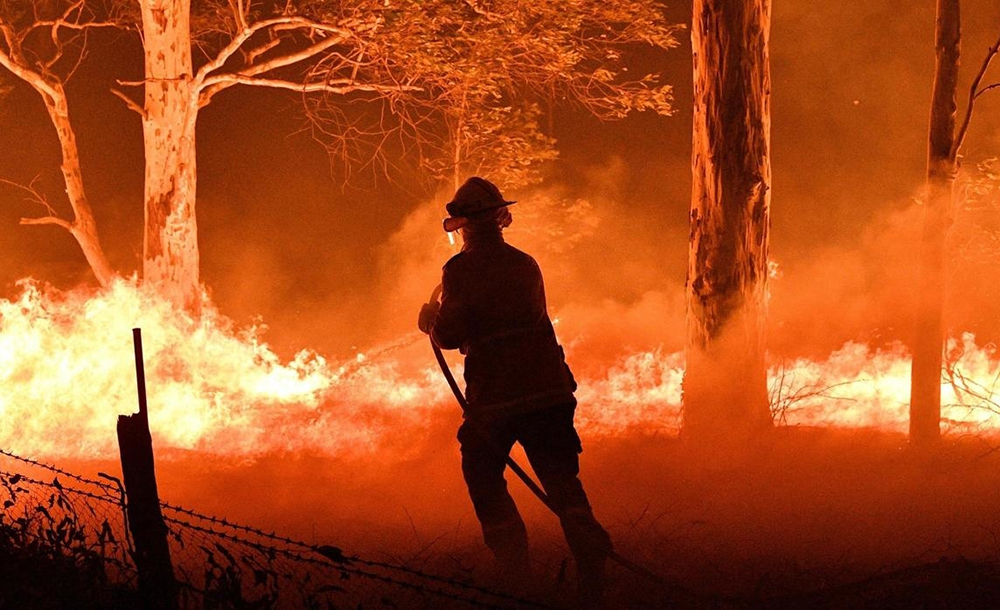
When we talk about global warming, it is often associated with an increase in the average temperature level of the globe. This has to do with the accumulation of greenhouse gases in the atmosphere.
According to some studies, the 20th century was considered the warmest time interval of the last glaciation, that is, the action exerted by glaciers on the Earth’s surface. Thus, in the last 100 years, there has been a significant increase in the Earth’s temperature of approximately 0.7 ° C.
In addition, according to some estimates, there is a forecast that the coming years will be even hotter compared to the current days. It is believed that in the 21st century there will be an increase in temperature between 2 ° C to 4.9 ° C. This will do significant damage to the environment.
It urges that global warming should be considered a very serious and extremely important problem for the population. However, some scientists believe that global warming is bullshit, as the Earth goes through phases of cooling and warming. With that, they insist on defending that everything is a natural process.
The greenhouse effect
The greenhouse effect is a natural phenomenon and is closely related to the climate changes that happen on planet Earth. Through this process, it is possible to maintain an adequate temperature for the development of living beings.
If the greenhouse effect did not occur, the land would be very cold and many lives would not even exist. The problem is inserted when there is a worsening of the emission of greenhouse gases, because they accumulate and cause heat retention, thus generating global warming.
Greenhouse gases are considered:
- Carbon monoxide (CO)
- Carbon dioxide (CO2)
- Chlorofluorocarbons (CFC)
- Nitrogen oxide (NO)
- Sulfur dioxide (SO2)
- Methane (CH4)
It is observed that in the extensive greenhouse that covers the planet Earth, these gases form a gas barrier that extends from the Earth’s surface to space and make it impossible for the absorbed energy from the sun’s rays to return to space. Thus, a percentage of the heat is retained on the surface and makes it possible to find liquid water and various forms of life.
After all, how does global warming happen? What are its consequences?
With the advent of the Industrial Revolution in the 18th century, there was an intensification of greenhouse gas emissions. And that persists to this day.
As a result of this, the UN itself and several countries discuss measures, through the conferences, with the scope of creating mechanisms that tend to reduce gases. An example of this is the Kyoto Protocol that was created in order to achieve goals to reduce the emission of greenhouse gases.
As a result of the increase in the concentration of these gases, there is variation in heat exchanges, resulting in a higher concentration retained in the atmosphere. In this way, it increases the temperature and, consequently, worsens global warming.
As you can see, the main fact that aggravates global warming is related to the emission of greenhouse gases. The main activities that cause emission are:
- Use of fossil fuels;
- Deforestation;
- Burning;
- Industrial activities;
- Transport;
- Enteric fermentation;
- Industrial processes.
On the other hand, the intensification of global warming can represent significant changes for the planet. It can be highlighted as consequences:
- Defrosting of the polar caps;
- Rising sea levels;
- Increase in temperatures;
- Less water availability on the planet;
- Greater occurrence of drought periods;
- Reduction in the supply of natural resources;
- Ecological imbalance.
In addition, several animals already suffer these effects, since the polar ice caps are already melting. This has a direct impact on the region and the population of whales and penguins. In addition, scientists already point out that this heating is responsible for the annihilation of the mammoth species.
The Kyoto Protocol
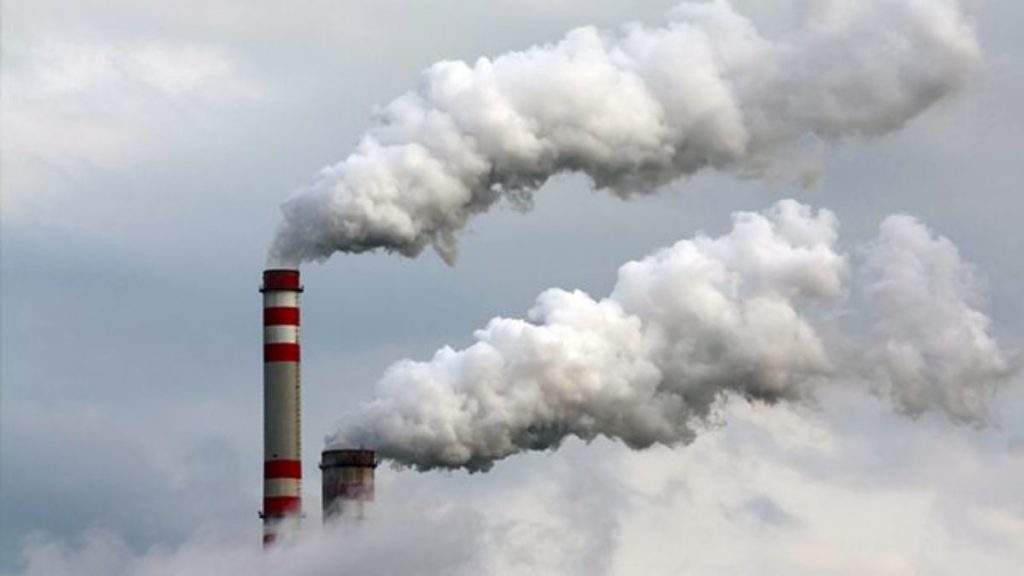
This protocol is an international treaty that constitutes the commitment of participating nations to reduce the emission of gases that generate the greenhouse effect. Bearing in mind that these gases are the current cause of global warming.
The agreement was discussed in Kyoto, Japan, in 1997 and ratified in 1999. Furthermore, it entered into force only in 2005 after Russia’s accession.
It establishes a schedule, in which the signatory countries must commit to reducing the emission of greenhouse gases by at least 5.2% compared to 1990 levels. These goals are not the same for all countries, since it determines different levels for the biggest emitters.
Countries that are still developing, such as Brazil, Mexico, India, Argentina have not yet achieved reduction targets. In addition, the recommendations are:
- Change energy and transportation mechanisms;
- Use renewable energy sources;
- Limit the use of methane;
- Preserve forests and other carbon sinks.
It is estimated that, if there is an effective implementation of this Protocol, by the year 2100 there will be a reduction between 1.4 ° C to 5.8 ° C of the terrestrial temperature.
The Intergovernmental Panel on Climate Change (IPCC)
The Intergovernmental Panel on Climate Change, known as the IPCC, is an organization created in 1988. Its objective is related to the study of climate change, more precisely, of global warming.