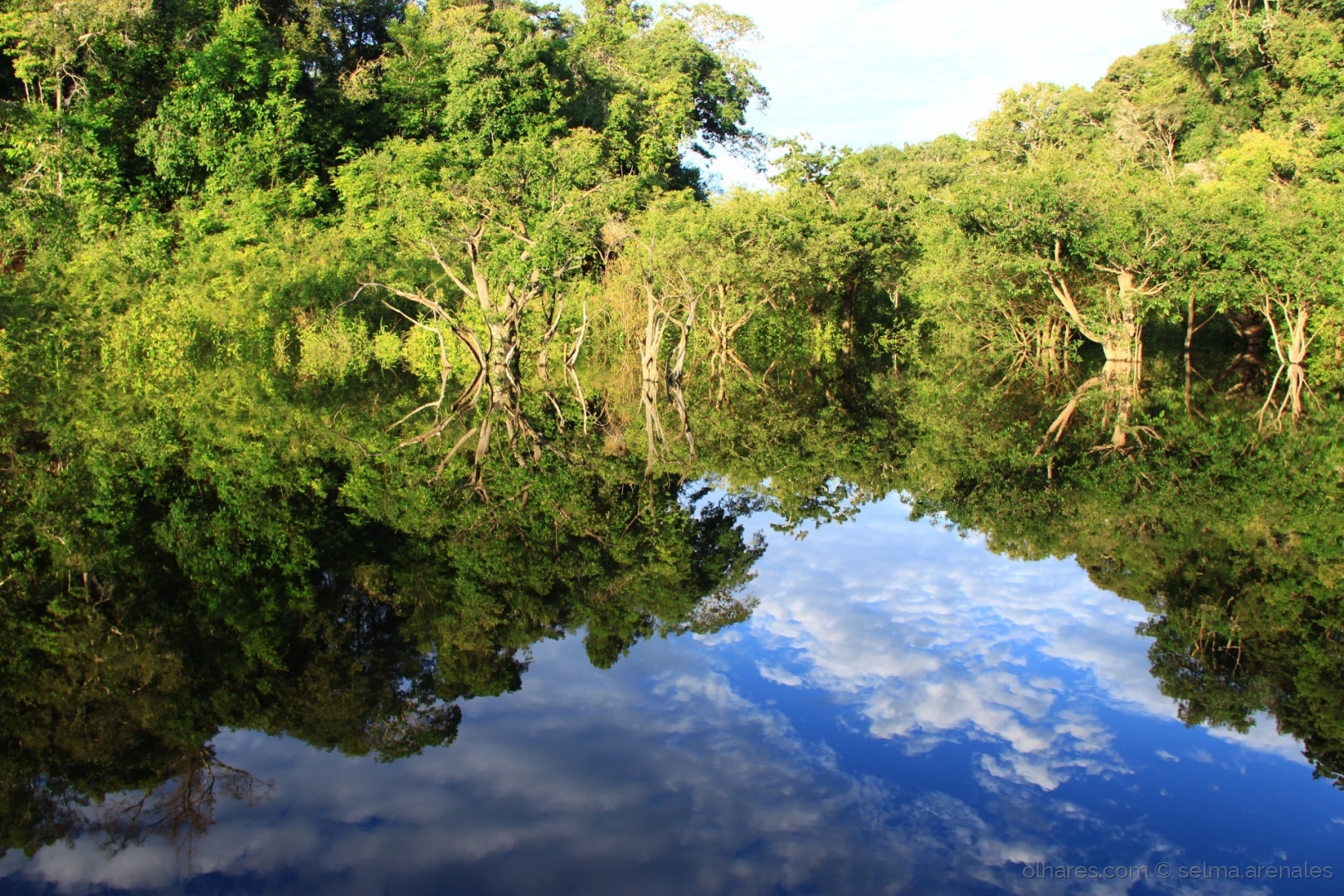
The ecosystem is declining at an increasing rate, something never seen before in human history, alarming rates of species extinction and serious damage to the entire world population. This is what was warned by the new report by the Intergovernmental Platform for Scientific Policies on Biodiversity and Ecosystem Services (IPBES), the summary of which was ratified at the seventh session of the IPBES Plenary in Paris.
The IPBES Global Assessment Report on Biodiversity and Ecosystem Services is the most complete yet, since it is the first intergovernmental report. Compiled by 145 expert authors from 50 different countries in the past three years, with contributions from another 310 contributing authors, this document analyzes the changes in the last five decades, giving a wide view of the relationship between the paths of economic development and their consequences on nature, in addition suggesting several other hypotheses for the coming decades.
At the time of the report publication, IPBES’ President Robert Watson argued: “There is still time to change, but for that we need to start now and act at all levels, from local to global”.
As a result, the Amazon Sustainable Landscapes Program (ASL), led by the World Bank and financed by the GEF (World Environment Facility), has operated in the Amazon, a region comprising:
- 40% of the remaining tropical forest on the entire planet;
- 25% of terrestrial biodiversity;
- Fish species from any other river systems in the world.
In short, the Sustainable Landscapes of the Amazon Program aims to assess the protection and management of 82 million hectares of native forest in Brazil, Colombia and Peru.
Ecological heritag
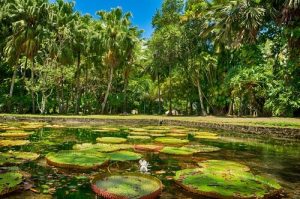
The Amazon is the largest tropical forest on the planet and is fundamental for the climate balance for Latin America and the globe. With regard to economic issues, it presents great commercial and strategic opportunities, but it is also the basis for sanctions by the international community. In this sense, the Amazon is the world’s largest center for species diversity.
The International Amazon has an extension of 5,500,000 km², while the Brazilian Amazon has an extension of 5,217,423 km². Thus, the countries that own the Amazon forest are:
- Brazil
- Peru
- Colombia
- Venezuela
- Equador
- Bolivia
- Guiana
- Suriname
- French Guiana
Among these countries, Brazil only does not border Ecuador. Specifying the Brazilian case, the states that are part of the Brazilian Amazon are:
- Amazonas
- Para
- Acre
- Amapa
- Rondonia
- Roraima
- Tocantins
- Mato Grosso
- Maranhao
In addition, IBGE (Brazilian Institute of Geography and Statistics), in 2010, estimated the existence of 306 thousand native Brazilians from different tribes in the Amazon. These tribes come from the first human beings to occupy the forest. It is also worth noting that, in addition to indigenous peoples, the region also has:
- Quilombolas – Villages founded by refugee slaves
- Rubber tappers
- Amateur fishermen
- Riverside populations
Finally, the Amazon is a major player in regulating the climate in Latin America and, especially, in Brazil, since its rainfall regime influences all Brazilian regions. And, indirectly, it can also influence the planet’s climate, since, in case of deforestation, it can aggravate global warming.
Why is biodiversity in the Amazon so important?
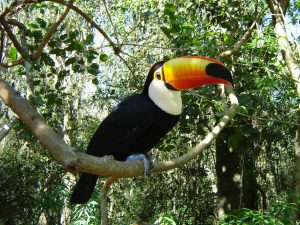
This biodiversity is important for the whole world, while species of this biodiverse system characterize alternatives for a series of ecological challenges.
As an example, it can be said that the discovery of angiotensin-converting enzyme (ACE) inhibitors, through research carried out with Bothrops asper venom (a species of snake found in the Amazon), helps millions of people, from all over the world , to control hypertension. Thus, it is possible to conclude that there is a huge variety of species to be discovered, and that they can bring significant benefits to all of humanity.
Another example is the species of leaf-cutting ants that harvest and use leaves as a blanket for the fungi they cultivate, thus avoiding leaves that have natural fungicides. Thus, the study, for example, of the leaves that these ant species avoid, can lead to the discovery of new types of natural fungicides.
Biodiversity is also of local importance, as it is a form of natural capital that supports various human actions, that is, it is a means of subsistence for peripheral populations (fish are essential items for local cuisine).
In addition, the biodiversity of the Amazon is important at the global level, as it influences the carbon cycle and hydrological systems of the hemispheres, providing support for the climate and rainfall regime in South America.
What is the main threat to the Amazon? What alternatives to this threat?
Deforestation is one of the biggest problems in the Amazon Region. Most of the time, this deforestation occurs due to agricultural activities. Infra structure development is also a major threat. In this sense, it is necessary to create sustainable development policies in order to curb these devastating actions.
As an example of these policies, we can talk about creating sustainable bio economies. Thus, by way of example, if farmers are rewarded for activities that protect the environment, it is likely that positive results will be obtained.
Another example is the adoption of fishing and aquaculture, since they are very important activities for the bioeconomy and consumption of a population that grows exponentially (the state of Acre has, for the past 10 years, adopted a very productive aquaculture industry).
Likewise, sustainable cities are of great value in preserving this biodiversity. For example, we mention the city of Manaus, which uses a large percentage of materials not from the Amazon rainforest.
In addition, low impact infrastructure can be an alternative (example is the elevation of highways in the Atlantic Forest Region), thus, if the straight transmission line between Manaus and Roraima followed the existing local highway, it would prevent further devastation and damage to the indigenous population.
Finally, it is also necessary to think about new forms of non-fossil energy production supported by hydroelectric dams, because, in this way, it is possible to preserve the paths of sediments and migratory species, such as catfish (life cycle extends from the estuary to the headwaters).