According to information provided by the National Foundation for Indigenous People (FUNAI), it is estimated that approximately 34.7% of the population present in the North of Brazil is composed of indigenous families. According to the IBGE Census, the natives represent a total of 817,963 thousand people spread across the country and symbolize an important part of Brazilian culture and customs.
But the question is: how do indigenous tribes live in the forest today?
For cultural reasons and even for lack of information, many believe that indigenous societies live in tropical forests in isolation without having any information from the outside of their tribes. However, excluding indigenous families who prefer to remain totally isolated, the situation is no longer as it was before. Currently, there are reserves for the natives of the region who seek to be increasingly connected to urbanization and technological development in neighboring cities, so much so that they seek to assert their rights related to specific, differentiated, intercultural, bilingual school education (Portuguese and their native language) and community.
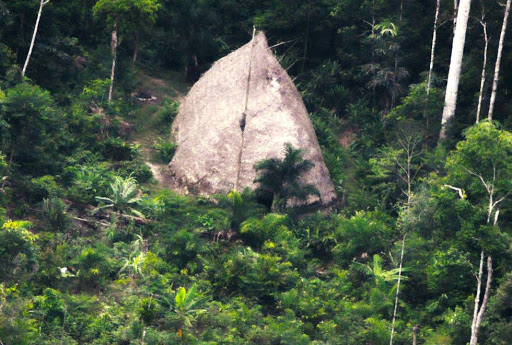
On the other hand, just as there are groups that prefer to keep in touch with people who are not part of their cultures and villages, there are those who prefer to keep their distance. This group, also known as “the isolated Indians” are organized in a nomadic way most of the time or semi-nomadic, living from hunting and agriculture with the resources they find in their own environment. Even with all the technology available for use, it is still a mystery to provide concrete data about these peoples in particular, but with the collaboration of other indigenous groups and reserves, FUNAI is gradually managing to map the area and provide more favorable conditions with the objective to maintain customs within these villages in particular.
To better identify the Indians who have not yet had access to their rights, FUNAI divides them into three classes:
- Isolated Indians: who prefer to keep their distance from everyone who is not part of their tribes, including non-traditional indigenous reserves;
- Indians in the process of integration: who choose to preserve their traditions, but do not offer resistance to implement some practices different from their native customs;
- Integrated Indians: who are actively incorporated into the urbanized sector, with constant and active participation in democratic political decisions.
Unlike what can be falsely propagated in society, indigenous tribes do not become less indigenous because they accept to incorporate other forms of culture in the environment in which they live. That is, regardless of the region in which the Indians live, it is important to recognize and ensure that their rights are always followed and respected by the whole of society.
How the Indians live in the forest
The indigenous history in Brazil was marked by a time of suffering, violence and constant struggles that can still be observed from time to time in newspapers and documentaries. In them, it is possible to follow the reports about the struggle of the native peoples against the invasion of their lands that are exploited in an irregular way.
The indigenous social organization has always been very disciplined and remains firm in several tribes in northern Brazil. In other words, it is a matter of choice to maintain customs such as sleeping in hammocks, hunting and planting one’s own food, in addition to communicating in their native language, even though in some cases, there are Indians fluent in Portuguese.
It is estimated that approximately 60% of Brazil’s Indians live in the Legal Amazon – an area that corresponds to 59% of all of Brazil and encompasses the states of Acre, Amazonas, Amapá, Mato Grosso, Pará, Rondônia, Roraima, Tocantins and part do Maranhão – where it is possible to maintain their natural customs and obtain resources to continue with the traditions that each village has in common.
As a priority, FUNAI develops indigenous inclusion projects and organizations with the local natives themselves to propose actions that significantly improve the quality of life of the tribes in their villages. But even if everything is very perfect on paper, these people still need to struggle to access the basics that are not even half of what they are entitled to.
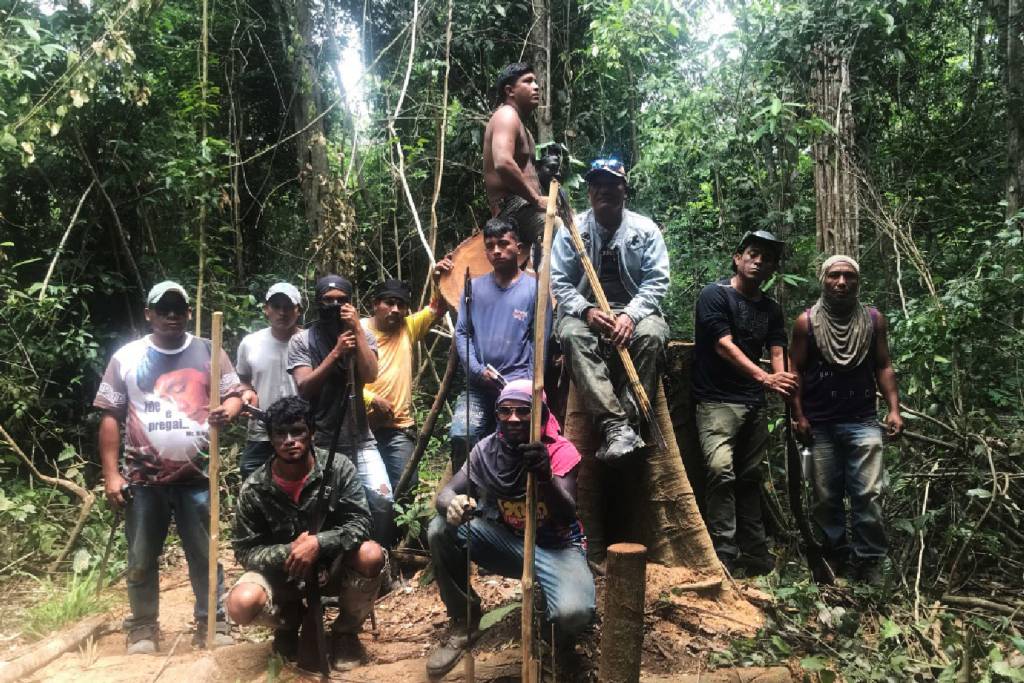
Another aspect that also deserves attention is the difficulty that the Indians who live in the forest have been facing in relation to the invasion of loggers, prospectors and ranchers in their lands. These lands are legally preserved and prevented from being exploited by non-indigenous communities.
The consequences of these disrespecting are violent confrontations that end all efforts in the process of building a more tolerant, respectful and peaceful society. It is clear that the struggle is old, but it is still worth staying for the purpose: the preservation of indigenous rights and culture. After all, native peoples also play an important role in the preservation of Brazilian biodiversity and in the dissemination of their experiences to society as a whole.
The importance of Funai for indigenous communities
Known as the official indigenous organ of Brazil, Funai aims to promote the rights of indigenous peoples fairly and without any type of social segregation. Created on December 5, 1967, FUNAI was responsible for identifying, delimiting, regularizing and registering the lands traditionally occupied by indigenous tribes in the North and elsewhere in the entire Brazilian territory. But in January 2019, President Jair Bolsonaro transferred such responsibilities to the Ministry of Agriculture. Thus, Funai is responsible for:
- Promote the inspection of indigenous lands from time to time to see if they have not been taken by miners and contraband.
- Promote actions that include the socio-cultural diversity of the ethnic groups involved.
- Control and, if necessary, intervene in environmental impacts unrelated to indigenous lands.
- Keep indigenous lands and their culture preserved.
- Monitor issues related to indigenous school education and social security for tribes across the country.
- Constantly encourage the inclusion of urbanized and non-urbanized Indians in policies aimed at social security.
- Provide concrete information and truthful data related to the real situation of the Indians and the difficulties they face.