Indigenous people ask WHO for help to fight coronavirus
27 de julho de 2020
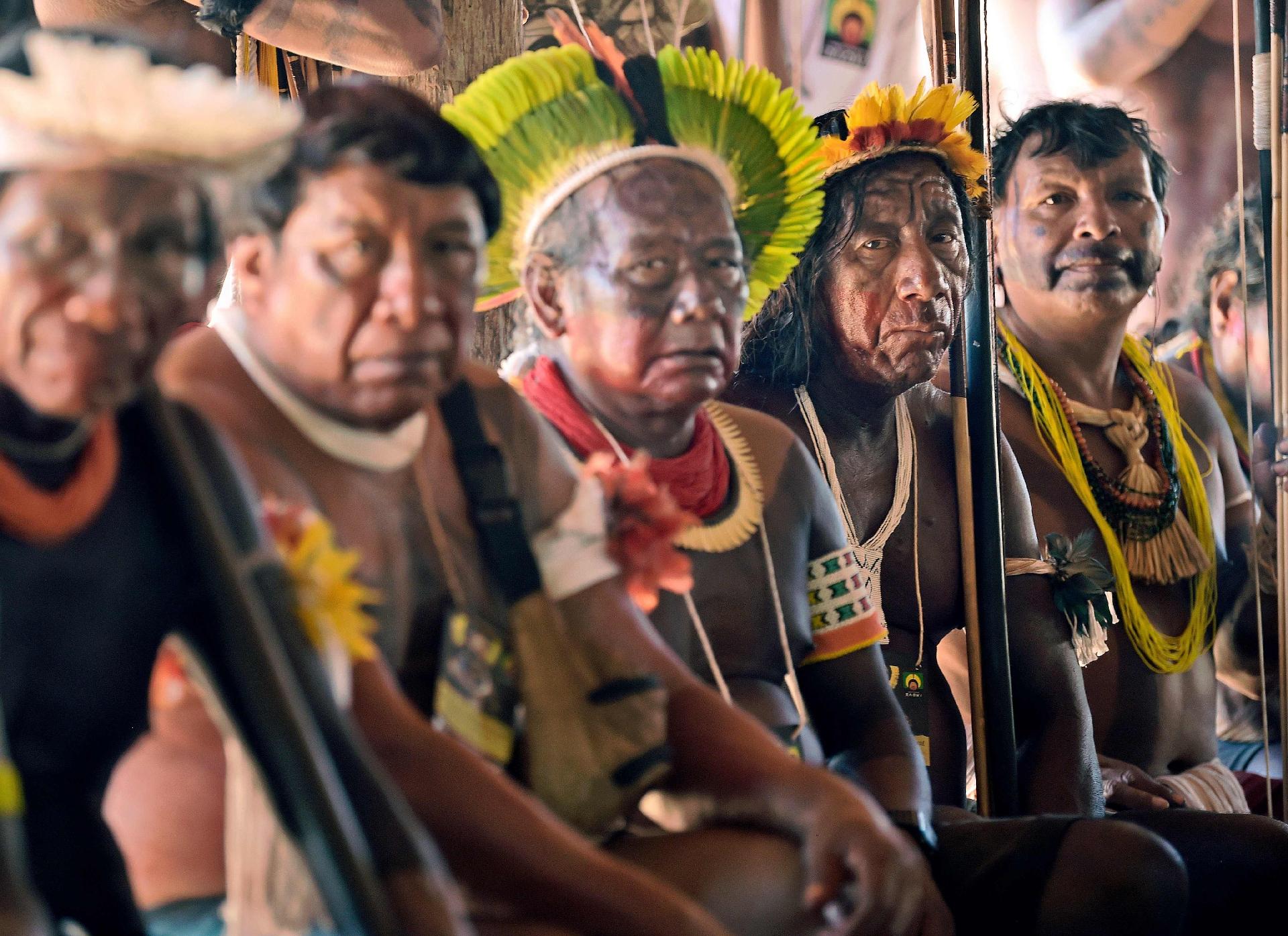
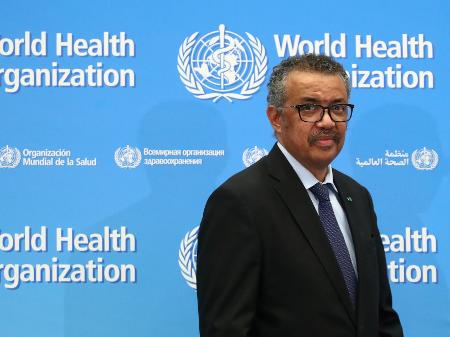
On May 4, 2020, a World Health Organization (WHO) received Brazilian indigenous leaders and requested an emergency fund for their communities that may be protected during a new coronavirus pandemic.
The situation of indigenous peoples in relation to Covid-19 has long been worrying. However, given the absence of relevant assistance from the Brazilian federal government, the indigenous population chooses to appeal to higher levels.
The document was prepared by the Parliamentary Front for the Defense of the Rights of Indigenous Peoples, composed of deputies, senators, indigenous organizations, and representatives of civil society.
It is hoped that, through solicitation, communities can obtain the minimum resources that may be being used by the country in which they live.
The situation is critical in the state of Amazonas
Confirmed cases of people with Covid-19 in the state of Amazonas represent a significant portion of cases across Brazil. Of the 246 thousand people infected in the country, 20,328 are from Amazonas. The number of deaths in the state is 1,413.
This immense number of cases caused the local public health system to face its overcrowding very early. The inhabitants of the place, both residents in urban regions and that further inland, suffer from the lack of equipment and materials needed to fight the coronavirus.
This being the general situation of the state, this could not fail to affect the indigenous peoples living in the region. Amazonas is the Brazilian state with the highest number of deaths of indigenous people. As of May 18, 78 deaths have been recorded.
Neglected people
The association called Articulation of Indigenous Peoples (APIB) in Brazil has been registering an increase in the number of deaths of indigenous people due to the coronavirus stage.
Despite the figures officially presented by the government, the reality is that the number of cases of Covid-19 in indigenous peoples is increasing. Currently, more than 40 affected peoples and more than 500 infected Indians are registered by APIB. The number of coronavirus deaths among indigenous people is already over 100.
While these numbers reach alarming proportions, no initiative by the Brazilian federal government is published to reverse this situation. On the contrary, government action hinders the visibility of the problem. Of the 103 indigenous deaths registered until May 17, 2020, or government registered 23.
This divergence is because the Special Secretariat for Indigenous Health (SESAI) only reports deaths in villages, excluding all cases of members of tribes who have undergone changes in urban areas.
Which indigenous peoples are already affected by Covid-19
According to the records published by APIB, the number of indigenous peoples that have already been affected by the pandemic reaches 44.
The following is a list of indigenous peoples directly affected by Covid-19:
In AM: Apurinã, Baniwa, Baré, Dessana, Hixkaryana, Kokama, Mura, Munduruku, Sateré Maué, Tariano, Tikuna and Tukano;
In CE: Anacé, Jenipapo Kanidé, Tabajara, Tapeba, Pitaguary and Tupinambá;
In PA: Arapiun, Assurini, Borari, Tembé and Tupinambá *;
In PE: Atikum, Fulni-ô; Pankararu, Pankará and Pipipã;
In AP: Galiby Kalinã, Karipuna and Palikur;
In SP: Guarani Mbya;
In MS: Guarany Kaiowa;
In MA: Guajajara;
In AC: Huni Kuin;
IN RO: Karitiana and Pandareo Zoro;
IN AL: Kariri Xocó;
In RS and SC: Kaingang;
In RR: Macuxi and Yanomami;
In RN: Potigua;
In ES: Tupiniquim;
In the Venezuelan Amazon: Warao;
In MT: Xavante.
* Note: The Tupinambá people are present in both CE and PA.
What was asked of WHO
Joenia Wapichana, leader of the appeal directed to WHO and the first indigenous woman elected to the Brazilian congress, says that the situation faced by indigenous peoples is a serious disease.
Most of the 850 thousand indigenous people who total the union of these peoples live in remote areas, mainly in the Amazon. This location means that these peoples have limited access to health care.
The situation is further aggravated by the scarcity of necessary medical equipment. That is, even when there is health care directed at indigenous threats, this care is limited due to the lack of materials.
In the letter to Tedros Adhanom Ghebreyesus, head of the Organization, the people asked for help in obtaining personal protective equipment. Equipment like this is no longer available to health professionals who provide care to indigenous villages and reserves.
Another complaint, expressed by the Coordination of Indigenous Organizations in the Brazilian Amazon (COIAB), is the lack of exams and assistance from SESAI for indigenous people living outside traditional villages. This is relevant, especially for cities like Manaus, as the city faces difficulties because its hospitals are overloaded.
The document sent to WHO also calls for the creation of an Emergency Fund, given that indigenous peoples are the most vulnerable amid the pandemic.
In summary, what the letter requests is that Brazilian indigenous peoples can count on food security, interruption of predatory activities in the forests (such as mining, for example), access to health services, and other social, and social security rights throughout the period of the current crisis.
The problem faced by the indigenous population goes far beyond the damage caused simply by the coronavirus pandemic. The letter’s authors point out that the current Brazilian government’s stance represents a danger to indigenous life in the country. Among the most serious factors, there is the edition of Normative Instruction No. 9/2020, in which the possibility of regularizing invasions by non-Indians in indigenous lands is opened with recognition processes not finalized. It is an unconstitutional attitude that puts at risk all the resistance carried out by peoples, and villages throughout history.
These are the factors that make claims so urgent, justifying the initiative to seek assistance from WHO.