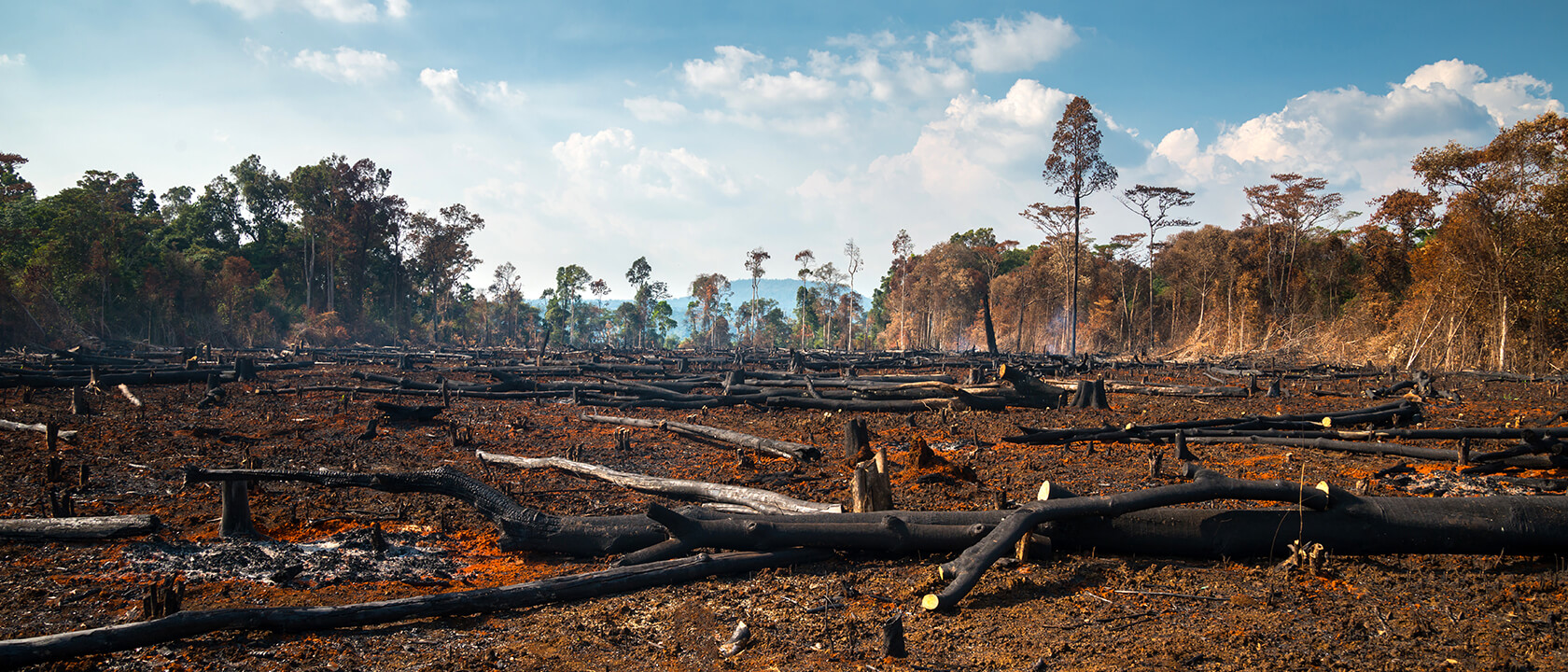
Parts of the Amazon are more prone to fires today because thousands of years ago, farmers set fire to the land regularly.
Along the parts of the Amazon that are on fire, smoke is rising, and fine particles of coal are gently descending to the ground. At the last count, more than 93,000 fires had occurred in the Brazilian Amazon, an increase of 60 percent compared to the same period last year, and the highest number since 2010. According to NASA, this year’s fires are also more than in previous years.
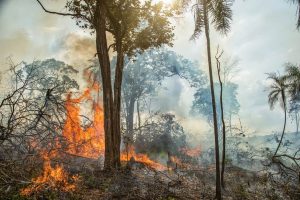
A fire burns a cassava plantation in the Brazilian Amazon. Ancient farming practices play a role in current forest fires, according to a study.
But the National Institute for Space Research in Brazil (Inpe) has kept fire records since 1998, and two decades is not a long time in the life of a forest where trees have lived for centuries and humans have burned it for millennia.
Paleoecology – the study of ancient environments – offers unique insights into how the first peoples of the Amazon used burning in the region, the effects of these fires on the ecology of the forest over the years and lessons that can help prevent current fires.
Layers of coal buried beneath the forest surface reveal that, for thousands of years, the ancient inhabitants of the Amazon used fire to clean the forest floor for agriculture – and this had a lasting effect, making these areas more prone to fires. today. But, unlike the current fires, which are used to completely level the forest, the ancient indigenous practices left the trees standing.