Over more than 10 years ago the world did not witness such a devastating pandemic. The new coronavirus has damaged several sectors of society, such as health, economy and social relations. Thousands of people are infected with an unknown virus and more than 81,000 have died in hundreds of countries.
With the official name of Covid-19, the disease forced thousands of people to isolate themselves in their homes and changed the dynamic of the cities. Has anyone ever imagined India, one of the most populous countries in the world, with its streets empty? Certainly not. The coronavirus achieved this feat. This is because isolation still is the best medicine to fight the dissemination, as research for vaccines and medicines is still underway.
According to scientists trying to find out the origin of Covid-19, the disease may be of natural origin, probably the transmission has started from markets that sell meat from wild animals in China. The Chinese market sells live and dead animals, such as bats, snakes, civets and many others.
The World Health Organization (WHO) estimates that more than 70% of new diseases that will affect human health will have animal origin. Studies show that there are more than 1.7 million unknown viruses. Most of them are harmful to humans and can lead to death.
With the increase in hunting and illegal wildlife trade, the risks of infection by unknown viruses are even greater. Transmission can happen in different ways. For example, by capturing animals, transporting or slaughtering in precarious sanitary conditions, which do not respect regulatory standards.
It demonstrates that human action in the wild is a major factor for deadly viruses such as the coronavirus to infect thousands of people. Many people do not even know it, but there is a lot of connection between the destruction of forests and the transmission of Covid-19 and other diseases.
How does environmental imbalance contribute to the spread of viruses?
Many people have never made the connection between environment and disease. Less environmental impact means less diseases. This is a great truth. When we begin to clear forests and destroy natural habitats for various organisms, we release powerful viruses.
When forests are devastated and wild animals killed, we release viruses from their hosts and expose humans to them. This exposure has disastrous consequences, leading many people to death and destabilizing the economy.
There are many ‘reasons’ for the widespread destruction of the forest and one of them is the high demand for meat from wild animals. That’s right, the more meat we eat, the worse for the forest and the better for viruses. The explanation is that the habit of eating wild animals increases contact with new microorganisms.
Wild animals are important in the balance of any ecosystem. Bats play an essential role in nature. In addition to dispersing seeds and pollinating fruits, they control insect populations. Therefore, these animals cannot be considered villains. To prevent the proliferation of diseases, the most important measure is to ban the trade in of wild animals.
Another risk is the creation of confined animals. It happened with birds in breeding grounds. The H5N1 avian flu virus has spread rapidly among birds, which have suffered from severe respiratory diseases and many have died. To prevent the proliferation of diseases, breeders need to vaccinate animals and adopt sanitary measures.
What facilitates the transmission of viruses?
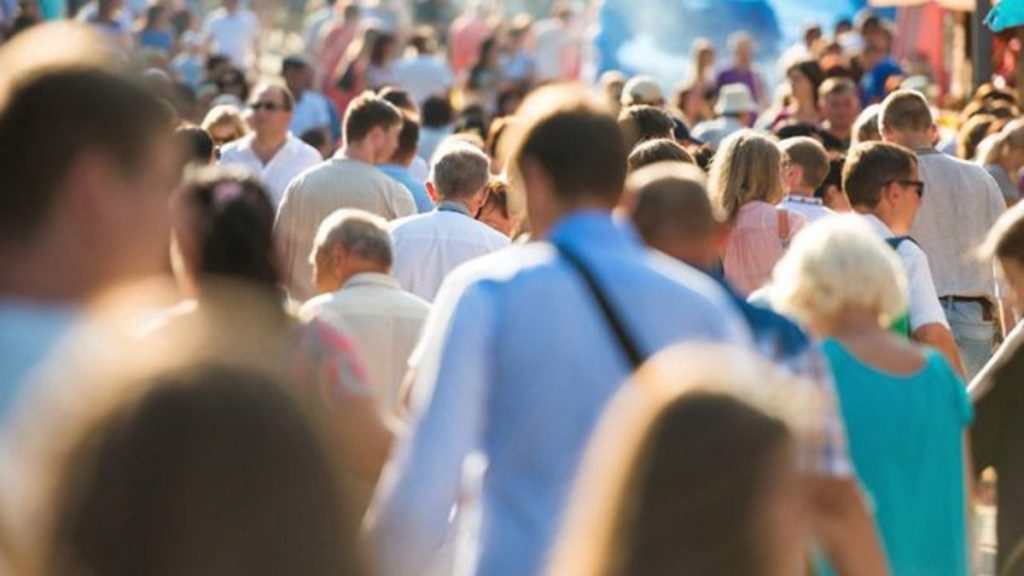
- Population growth: The larger the population of a city or locality, the easier it is to spread an epidemic. This was the main reason for the coronavirus to spread quickly and what motivated countries to adopt social isolation. Reducing clumps is the best way to avoid transmission.
- Globalization: The ease of traveling and having access to other cultures is an essential factor for increasing the circulation of people. Thus, globalization not only facilitates business and boosts the economy, it also helps spread disease to all corners of the planet. For example, the first person diagnosed positive for Covid-19 in Brazil, contracted the disease during a trip to Italy. In fact, in most places, the virus was initially imported. That is, taken to certain cities by people who had visited countries that already had coronavirus cases.
- Lack of infrastructure: There is nothing better for a virus than a place without basic sanitation and poor infrastructure. This is one of the great concerns of Brazil, since the majority of the population lives in precarious locations. These are perfect environments for the proliferation of Covid-19 and other diseases. Not to mention that agglomeration is almost inevitable in communities. The houses are close to each other and in many have more than four people living in the same space.
Climate changes
Public health faces new challenges on a daily basis, but the impact of climate change has been one of the most difficult so far. Temperature changes favor the emergence of new viruses. To adapt to the environmental conditions to which they are exposed, viruses undergo genetic mutations.
Climate change also forces the migration of animals, many hosts of contaminants. When interacting with other species, they transmit microorganisms, which will undergo several mutations. An example is what happened in Brazil with the Zika Virus. The hot climate favored the proliferation of mosquitoes that transmit the disease. When in contact with humans, mosquitoes release a virus that causes Zika. Pregnant women who were bitten had babies with poor brain formation.
In cold places, melting glaciers releases viruses and bacteria that were dormant in the ice. They are called ancestors. Upon returning to life, these viruses pose risks to humanity, bringing unknown and lethal diseases. During research, fragments of RNA from the 1918 Spanish flu were found in bodies buried in mass graves. Another virus found Pithovirus sibericum and Pollivirus sibericum, which was dormant for 30,000 years.
In order for these diseases do not come back and for others do not appear, nature needs to be preserved.