Considered as the largest tropical forest in the world, the Amazon rainforest has a very significant area of 5.5 million km² characterized by a unique biodiversity that houses the largest hydrographic basin in the world.
Responsible for concentrating one fifth of all fresh water on the planet, it is currently estimated that about 60% of the entire forest territory of the Amazon is in Brazilian lands, in the states of Acre, Amazonas, Roraima, Pará, Amapá, Rondônia, Tocantins, Mato Grosso and Maranhão. But even with all this positive scenario, there is still an old villain that haunts the great world organizations from time to time: The greenhouse effect caused by conscious global warming.
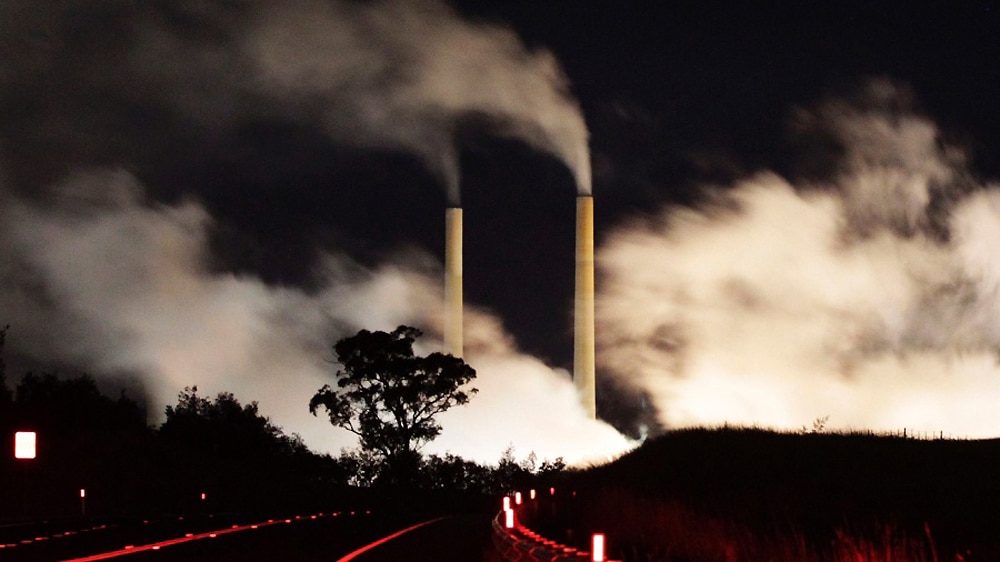
When you hear about global warming it is common to imagine something related to the greenhouse effect and that it is totally harmful to the planet, because it increases the Earth’s temperature and brings negative consequences to everyone. However, it is not so. In fact, the greenhouse effect is nothing more than a natural warming of the Earth, very important to maintain the temperature of the environment and thus make life viable. The problem is when this effect takes on an intense form and gets out of hand. Consequently, what was once natural and expected, begins to be a negative response from pollution of the atmosphere. A result that in the scientific community derives from human practices and promotes disastrous consequences such as loss of biome, extinction of wild animals, holes in the ozone layer, among others.
The impact of the uncontrolled greenhouse effect on the Amazon rainforest
It is believed that without the natural greenhouse effect the planet would be 30ºC colder and as a result, there would not be the kind of life that exists today. But it is necessary to understand that the emissions that cause this effect naturally, when added to the combustion of fossil fuels and irresponsible deforestation, block the energy that the Earth would return to outer space and with that, there is an exaggerated answer which is the famous warming global.
Negative groups that are increasingly strong in Brazil, propagate the false idea that this global warming observed today is already expected and that it is part of the evolutionary process, because on a geological scale, there have always been variations in the concentration of carbon. However, in addition to the factors related to the rise in temperature caused by global warming, there is also the time aspect, which previously happened within thousands of years and which now, is very fast. Thus, it is possible to conclude that the greenhouse effect caused by constant pollution promotes direct effects that also affect:
- The climatic characteristics of each region;
- Periods of rain with heavy flooding;
- periods of drought;
- The quality of the soil that suffers from all these factors.
In the same way that the uncontrolled greenhouse effect has negative consequences for the Amazon, it also affects the people and lifestyle typical of the region, mainly damaging:
- The health;
- Agriculture that provides much of the food to the local residents;
- The rivers and small springs that supply the region’s fishing and livestock market.
Amazon rainforest: the key piece against global warming
Air quality is related to the amount of carbon and other pollutants in the atmospheric environment and, therefore, the Amazon rainforest, has an important role in the “cleaning” of all these remnants in the air.
Considered as the “lung of the world”, the forest has an important role in pulling all the carbon in the environment for the release of oxygen – essential for human survival – through photosynthesis. But it is important to know that all that oxygen released by such a process is consumed by animals, microorganisms existing in the place and by the trees that use oxygen during the night.
However, this aspect is not a justification to belittle all the importance that the Amazon rainforest has against global warming, because it is due to the number of trees in the area that the Amazon is capable of producing its own rain, influencing the fluviometric regime of other regions and thereby benefit from plankton that also produces oxygen for the rest of the world.
Consequences of global warming for the Amazon rainforest
Even if climate change is something predicted by meteorologists, the preservation of the Amazon rainforest is essential to reverse the negative picture of this effect. This is because when the place is preserved, the soil, the water quality, the number of animals and microorganisms important for the biological cycle are maintained and thus, the recovery of a given place is faster and less harmful to the other regions that are supplied. by the local biome.
With simple attitudes it is possible to use the resources that nature offers and at the same time preserve one of the richest places in the world. Thus, it can be highlighted as a possible preservation attitude:
- The use of non-toxic materials for the identification of precious stones and other types of ores;
- The conscious hunting of authorized animals outside the breeding season;
- Conscious deforestation, where all cut trees are replanted in the same place;
- Abortion of harvesting methods that damage soil and water in rivers and springs
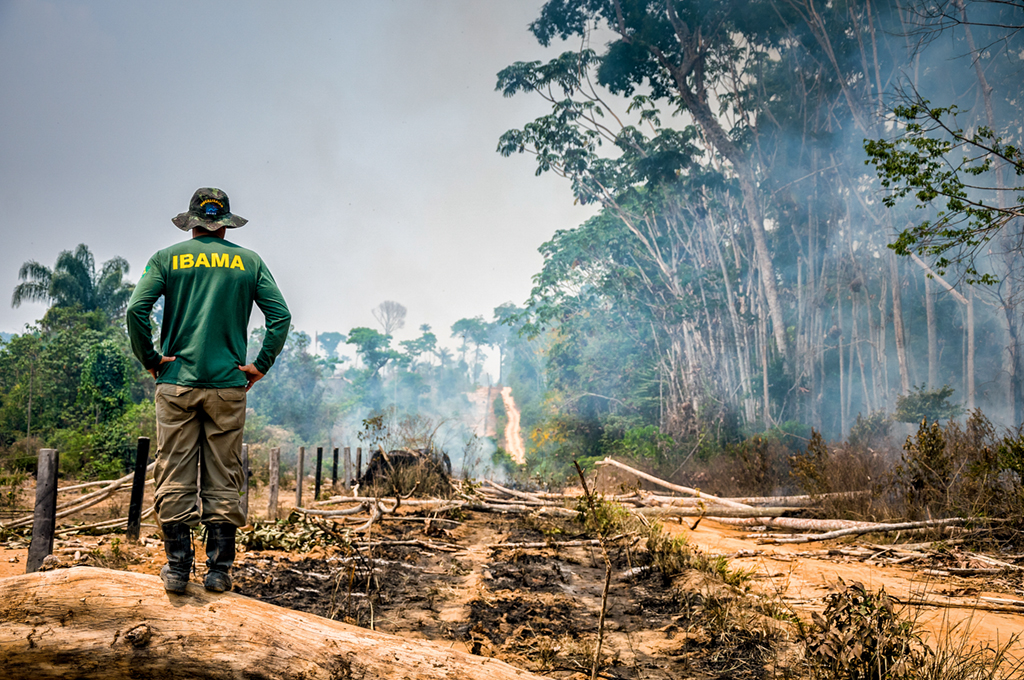
If these and other actions are not taken immediately, the consequences will be the worst possible and can have a significant impact on the glaciers that melt more each year and expose humans to biological risks and natural disasters; constant droughts that shorten the rainy season and affect the world’s water supply by not supplying springs and rivers sufficiently; the extinction of animals important for the balance of the food chain; among many other factors.
According to experts linked to research carried out at the School of Geography in Leeds, some species of trees cannot keep up with climate change and develop in the soil they previously occupied. As a result, more concerns are added to what is expected in the future. In general, it is clear that if global warming is not controlled it is possible that forest fires will double by 2050 if the temperature rises by 2ºC as has already been discussed in international conferences.