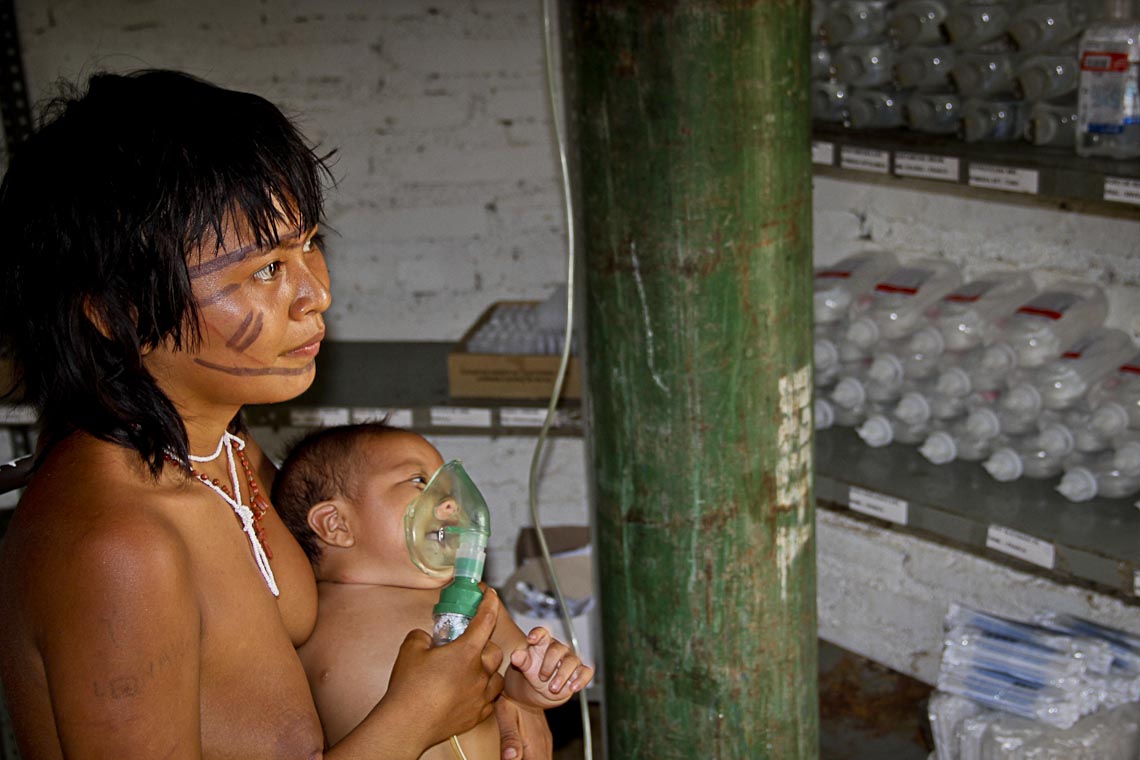
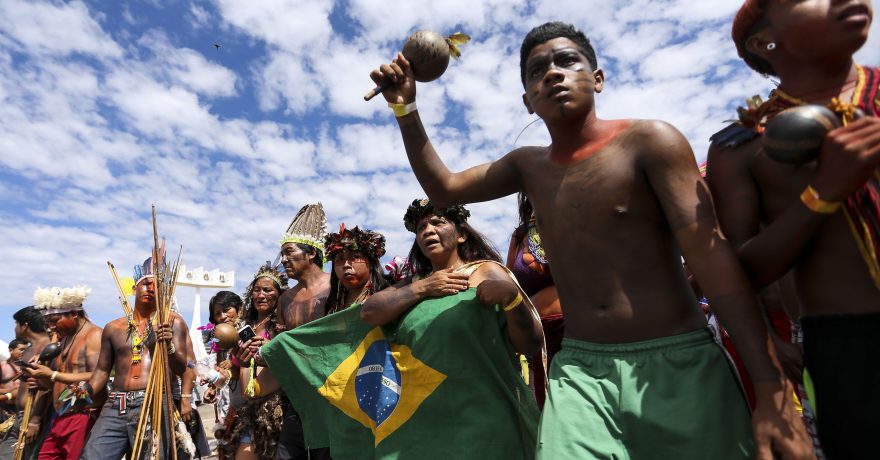
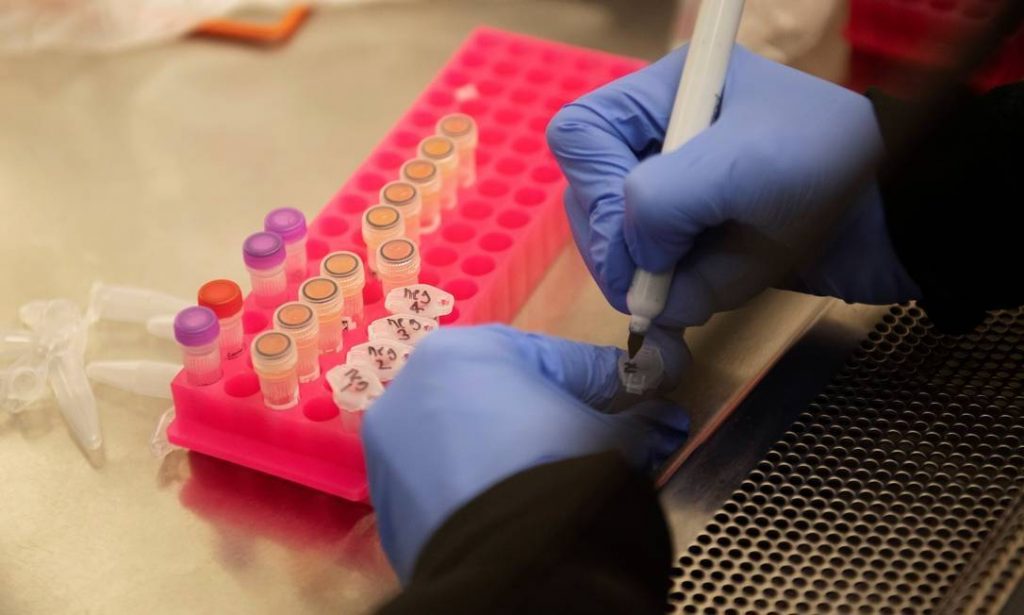
The Covid-19 infestation has already had consequences for the entire continent, causing a public health problem. Brazil already suffers consequences of this process, which has even started to reach isolated indigenous populations.
These people, who suffer the effects of this pandemic, may have their risk increased by several factors:
Mobility difficulties;
Isolated territories;
Lack of medical care;
Removal from the urban perimeter.
On April 2, in Alter do Chão (PA), the death of the first indigenous victim of the new coronavirus was confirmed. She was an elderly woman, 87 years old, of the Borari ethnic group. In addition, another young woman also tested positive for the new coronavirus and is isolated in Santo Antônio do Içá (AM).
Thus, in order to contain the spread of the virus in indigenous villages, the Socio-Environmental Institute (ISA) released, on Friday (April 3), an online and participatory platform that tracks the progress of Sars-Cov-2 in regions close to indigenous lands.
Also, through the website it is possible to access the progress of this disease in different regions of Brazil and to locate the various service points for suspected cases.
In addition, on this website, you can find information about the number of people infected by the virus, the number of inhabitants of indigenous communities and the value of the mortality rate in that region. In addition, it is possible to consult the number of beds, respirators and doctors throughout the Brazilian territory.
The biggest concern of indigenous communities is that the virus is spreading in the region, since they usually live in places shared by several tribes. Another factor is that villages lack essential prevention items, such as:
Alcohol;
Soap;
Masks;
Gloves;
Disinfectants and cleaning products in general.
As a result, the Special Secretariat for Indigenous Health (Sesai) banned movement between cities and villages. Access by non-indigenous people in these regions will only be allowed when transporting food, health and hygiene items.
The indigenous peoples who were outside the villages, when the first cases of the disease began to appear, were warned to remain in the cities for a period of quarantine. These measures are intended to prevent the proliferation of Covid-19 in indigenous communities.
On the other hand, indigenous leaders denounced that the presence of miners in the region makes the situation more alarming. Karipuna Indians noticed the presence of four invaders devastating an area of the forest, in Aldeia Panorama, in Rondônia. It was also possible to hear noises from machines and chainsaws.
Faced with this scenario, and concerned with the progress of the disease, the Federal Public Ministry (MPF) initiated a civil investigation in order to investigate the death of the 87-year-old lady in Alter Chão, Pará. It was confirmed by the State Health Department (Sespa) that laboratory tests identified the cause of death due to the new coronavirus.
Thus, the MPF gave the Special Indigenous Health Secretariat (Sesai) and the Pará Health Department (Sespa) 24 hours to clarify about death, the mechanisms adopted by the Municipality, the facts that led families not to be previously alerted and the measures adopted in order to contain the progress of the disease.
What is coronavirus? (COVID-19)
The coronavirus belongs to a viral family that results in respiratory diseases. The new causative agent of the disease was discovered on 31/12/19, in China, after the appearance of cases.
This virus causes the disease called coronavirus (COVID-19). The first cases, resulting from this virus, were isolated in 1937. However, it was only in 1965 that it was named as coronavirus. This name results from the fact that, through observation under the microscope, the virus resembles a crown, hence the name corona.
How to prevent it?
COVID-19 has caused great concern to the world population, since, yet, its symptoms, worsening and forms of transmission are not perfectly known. In Brazil, the first case was registered on February 26 and, after that, the progress of the disease has plagued all states.
With that, the World Health Organization and the Brazilian Society of Infectious Diseases recommended several measures in order to contain the spread of the disease:
Wash your hands with soap and water or use gel alcohol;
Cover your nose and mouth when sneezing or coughing;
Avoid agglomerations if you are ill;
Keep the environments well ventilated;
Do not share personal items.
What are the symptoms of Covid-19?
As is known, the new coronavirus causes respiratory infections that can lead to death. This will depend on factors such as age, the presence of other chronic diseases and immunity.
The main symptoms are:
Headache;
Dizziness and chest pain;
Coryza;
Malaise;
Intestinal problems;
Muscle pain and chills;
Nausea;
Conjunctivitis;
Dry cough;
Difficulty breathing;
Fever
High fever;
Loss of taste, among others.
In addition, scientists at the Johns Hopkins Hospital School of Public Health (USA) noted that it takes people about 5 days to experience the first symptoms of symptoms after contracting the disease. However, there are cases where the disease can remain latent for up to two weeks after contact.
Another alarming factor is that some people can contract the virus and show no symptoms, but they still transmit the disease. Of course, people with obvious symptoms tend to have a higher viral load, however this does not prevent asymptomatic people from spreading the virus.
For example, children and adolescents are usually asymptomatic, but potential transmitters of the disease. Children and adolescents will hardly need hospitalization due to COVID-19. On the other hand, the elderly and people with chronic diseases are at risk and deserve more attention.
The isolated appearance of one or another symptom is not enough to indicate contamination by the new coronavirus since there are several adjacent diseases with similar symptoms.
However, if there is any doubt regarding contamination, the ideal is to seek medical help, preferably through telemedicine. Traveling to the hospital unnecessarily can be a contributing factor to contracting the disease, since these environments tend to have a greater number of infected people.